Water Damage Restoration in Englewood
The full job after water gets in, extraction, drying, cleanup and the repairs path planned from the first visit. See our water damage restoration page for Englewood for signs, process and cost guidance.
Water Damage Restoration — Englewood, New Jersey
Emergency water removal, flood cleanup, drying and mold remediation for homeowners in Englewood (07631), from a local Bergen County team that extracts fast, shows you the moisture readings and scopes every job in writing.
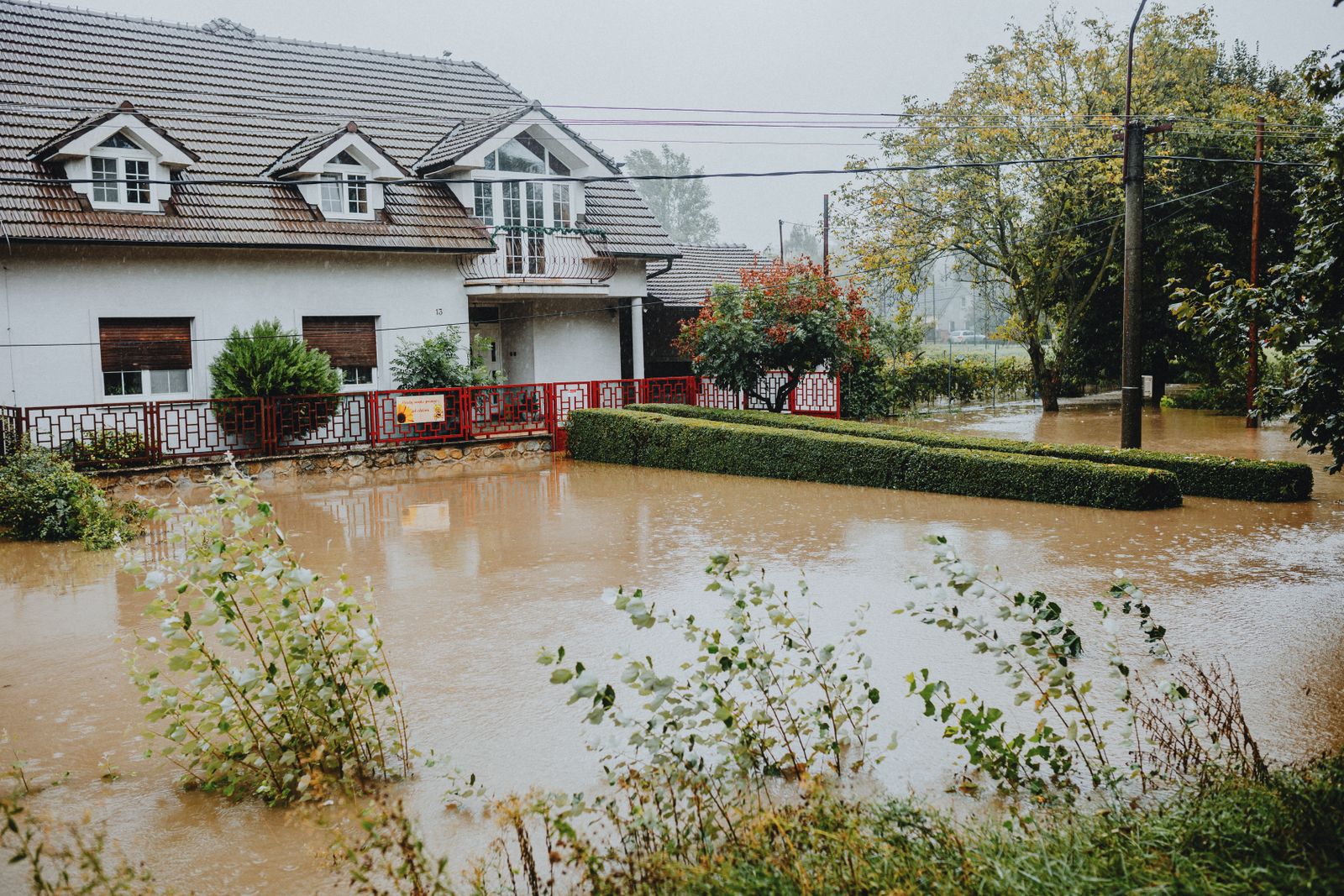
In Englewood, water problems follow the ground. Low streets, high water tables and older basements mean a hard rain or one failed pipe turns into standing water fast. Flood Damage 247 works across Englewood (07631) and the rest of Bergen County, handling everything from a flooded basement at 2 a.m. to the mold that shows up a week after a leak, with moisture readings shown to you and a written scope before cleanup work expands.
The full job after water gets in, extraction, drying, cleanup and the repairs path planned from the first visit. See our water damage restoration page for Englewood for signs, process and cost guidance.
Standing water pumped and extracted fast, day or night, before it spreads into walls, floors and the rooms next door. See our emergency water removal page for Englewood for signs, process and cost guidance.
Flooded basements pumped out, dried and checked wall to wall, the most common water emergency in bergen county homes. See our basement flood cleanup page for Englewood for signs, process and cost guidance.
Mold growth found after leaks and floods contained, removed and treated at the moisture source, so it does not simply grow back. See our mold remediation page for Englewood for signs, process and cost guidance.
Englewood's water runs through Flat Rock Brook and the tributaries feeding Overpeck Creek, and the city's varied ground, from the flat east side to the slopes below the Palisades, means water trouble looks different street by street. The housing is just as varied, older Victorians and colonials, apartments and postwar homes, most with basements that sit low.
The repeat calls in Englewood are basement flooding along the low ground near the brook, burst and leaking pipes in the older housing stock, and mold in lower levels that stayed damp too long. Multi-family buildings add their own pattern, one unit's plumbing failure becoming the ceiling and wall problem of the unit below.
How much water, what kind of water, how many rooms and materials it reached, and how much has to come out versus dry in place. Each of those appears in your written scope, so you can see exactly what you are paying for before the work expands.
By meter, not by touch. We take moisture readings in walls, floors and framing at the start and through the job, and equipment comes out when readings reach normal levels for those materials. You can see the numbers at every check.
Mold grows where materials stay wet, typically starting within one to two days. Fast extraction plus a verified drying program is exactly what prevents it. If growth has already started, it is handled as remediation, contained and removed rather than dried in place.