📍 Serving Bergen County and northern New Jersey 📞 +1 (551) 755-8144
Flood Damage 247 Call for Emergency Service

Basement Flood Cleanup — Fort Lee, New Jersey

Basement Flood Cleanup in Fort Lee, NJ, Done Right

Flooded basements pumped out, dried and checked wall to wall, the most common water emergency in bergen county homes in Fort Lee (07024) and across Bergen County. Call Flood Damage 247 for a fast response, moisture readings shown to you and a written scope before cleanup work expands.

  • 24/7 emergency response across Bergen County
  • Written scope before cleanup work expands
  • Serving Bergen County and northern New Jersey
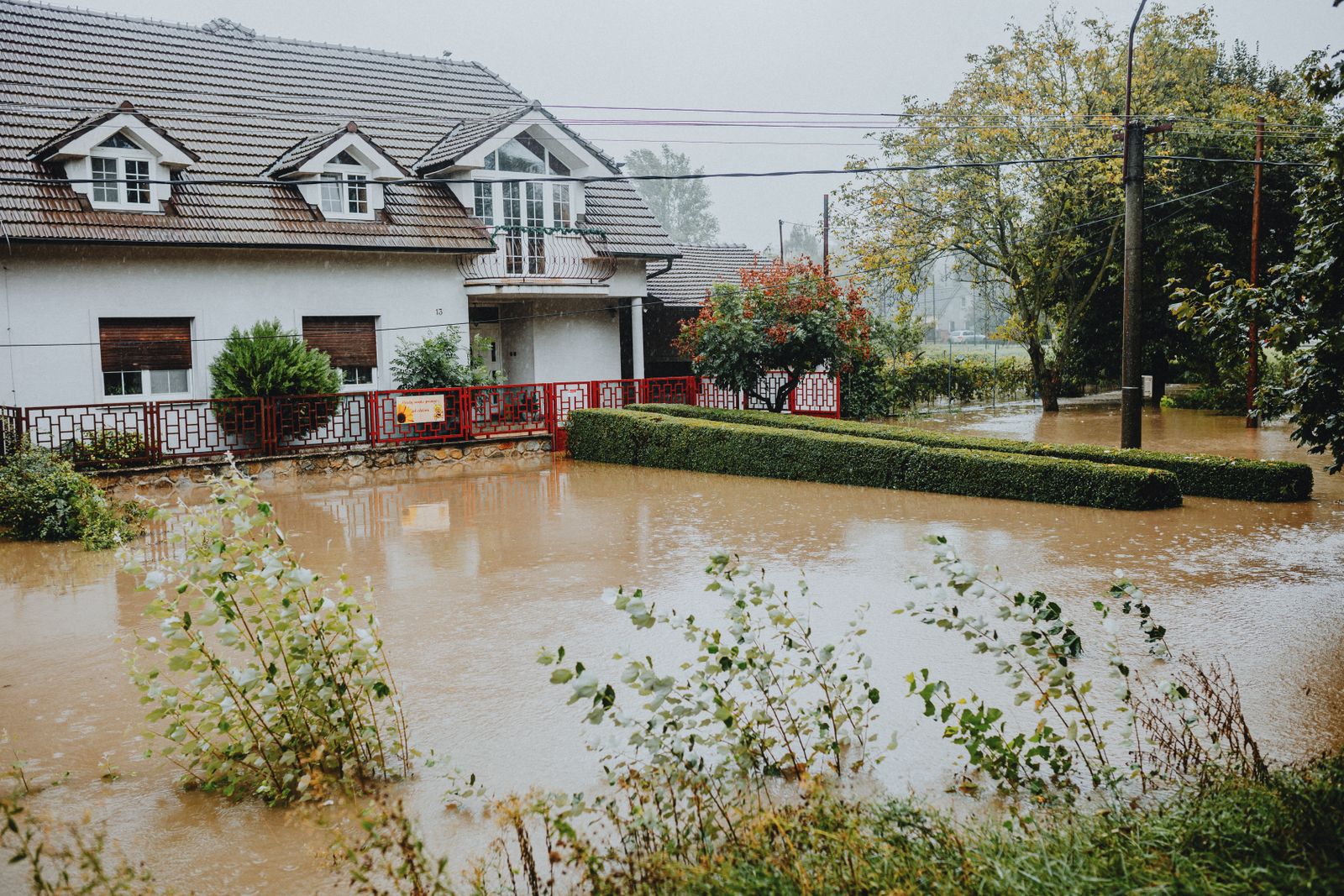
Basement Flood Cleanup in Fort Lee, NJ — a flooded suburban home surrounded by water after heavy rain

Basement Flood Cleanup in Fort Lee, in plain words

In Fort Lee, water problems follow the ground. Low streets, high water tables and older basements mean a hard rain or one failed pipe turns into standing water fast. Flood Damage 247 works across Fort Lee (07024) and the rest of Bergen County, handling everything from a flooded basement at 2 a.m. to the mold that shows up a week after a leak, with moisture readings shown to you and a written scope before cleanup work expands.

Signs it is time to call about basement flood cleanup in Fort Lee

  • Water pooling on the basement floor after rain or snowmelt
  • A sump pit that overflows, or a pump that runs but cannot keep up
  • Damp or wet spots at the base of basement walls and floor joints
  • Carpet, boxes or furniture in the basement that got wet
  • A musty basement smell that gets worse after every storm

What basement flood cleanup looks like in Fort Lee

Fort Lee stacks its water risk vertically. Along the Palisades and the Hudson River edge, high-rise and mid-rise buildings hold thousands of homes where one burst pipe, failed appliance hose or overflowing fixture can send water through several floors before it is found. Away from the bluff, older single-family streets and garden apartments have the more familiar basement and ground-floor risks.

How we handle basement flood cleanup in Fort Lee

Water rising through the floor or walls

In much of Bergen County the water table is high and heavy rain pushes groundwater straight into basements through floors, joints and foundation cracks. We extract, then dry the structure, not just the visible floor.

Finished basement damage

Carpet, laminate, drywall and the things stored downstairs take the hit in a finished basement. We document everything for insurance, remove what cannot be saved and dry what can.

The mold that follows a wet basement

A basement that stays damp after a flood grows mold on walls, joists and stored belongings within days. Proper drying with measured readings is what prevents the second, slower emergency.

What happens when you call from Fort Lee

  1. Call and describe how deep the water is and whether it is still rising. Keep clear of the electrical panel if water is near it.
  2. We pump and extract the standing water and check the furnace, water heater and laundry area for water exposure.
  3. Moisture is measured in walls, floors and joists, and you get a written scope for drying and cleanup.
  4. We dry until readings are normal, clean and sanitize affected surfaces, and confirm the basement is dry before equipment leaves.
Call for Emergency Service

What basement flood cleanup costs in Fort Lee

Basement flood cleanup for a typical Bergen County home, extraction, drying and cleaning of one basement level, commonly runs about $1,200 to $5,500. Deep water, finished basements with a lot of material to remove and sewage-contaminated water cost more. The written scope fixes the price after we see the basement. Guidance ranges checked November 2026.

Get an Honest Quote

Questions Fort Lee callers ask about basement flood cleanup

What changes the price of a water damage job?

How much water, what kind of water, how many rooms and materials it reached, and how much has to come out versus dry in place. Each of those appears in your written scope, so you can see exactly what you are paying for before the work expands.

How do I know when my home is actually dry?

By meter, not by touch. We take moisture readings in walls, floors and framing at the start and through the job, and equipment comes out when readings reach normal levels for those materials. You can see the numbers at every check.

Will the mold come after the water is gone?

Mold grows where materials stay wet, typically starting within one to two days. Fast extraction plus a verified drying program is exactly what prevents it. If growth has already started, it is handled as remediation, contained and removed rather than dried in place.

My basement floods a little every big storm. Is it worth calling for that?

Repeated small floods do cumulative damage that one big flood does faster: damp drywall and insulation, mold in wall cavities and rot in sill plates and joists. If the basement is unfinished and dries fully within a day, it may be manageable. If finishes, storage or appliances are getting wet, or it smells musty afterward, have it inspected once so you know what the water is doing inside the walls.

Call for Emergency Service